

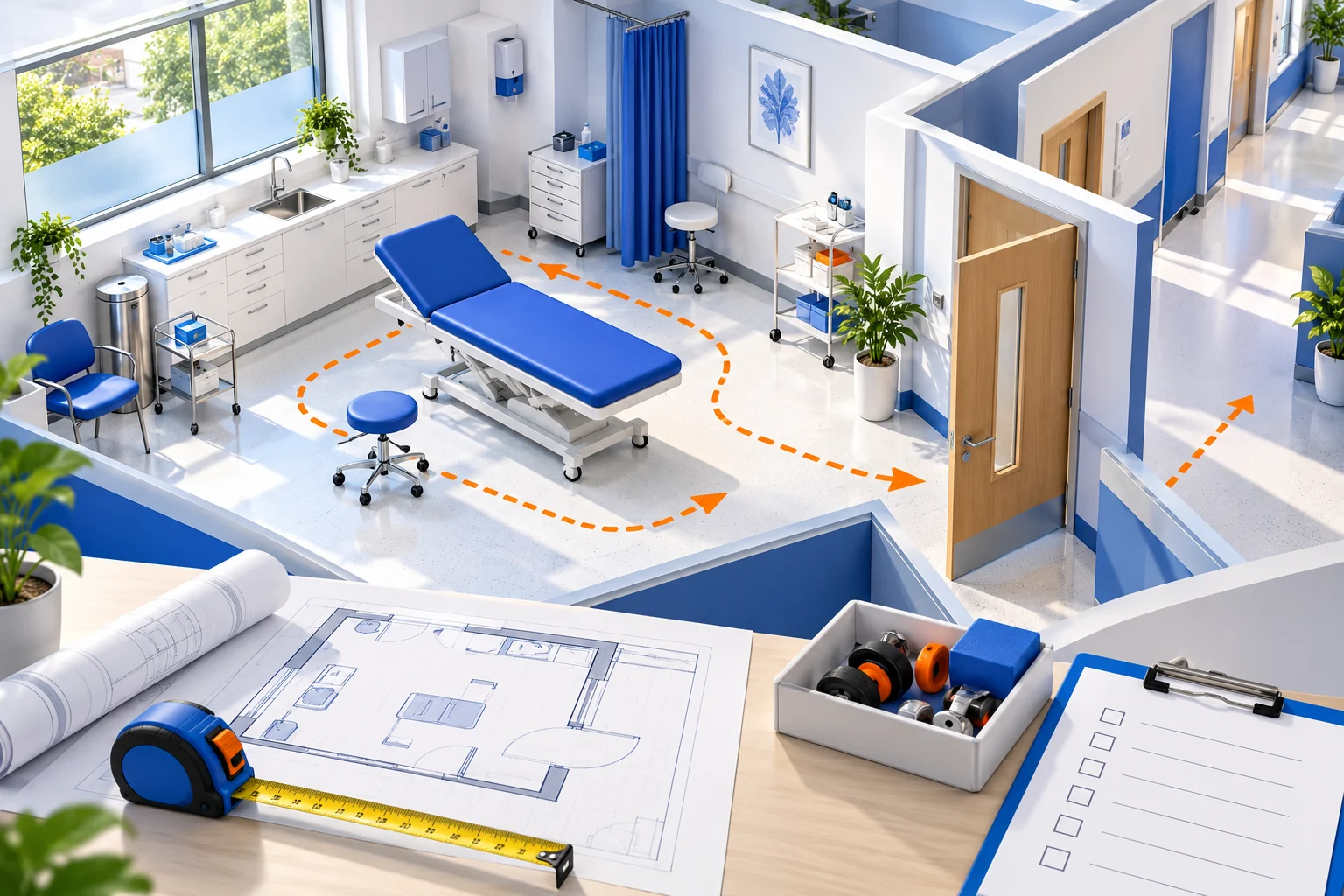
Before choosing medical furniture, prepare two simple documents: a room plan with measurements and a list of the equipment you need. They can help you spot practical mismatches before ordering: a table fits against the wall but blocks a door from opening; a bedside cabinet fits through a doorway but cannot turn in the corridor; castors appear in a photo but are not included in the selected configuration. Below, we use three models to explain what to measure and what to ask. Their specifications come from the seller Rehamed’s product listings; they do not confirm FORMED availability, configuration or delivery terms, and they are not a substitute for the manufacturer’s documentation.
1. Measure the working space, not just the furniture’s footprint
Mark the walls, doors and their opening directions, radiators, windowsills and existing furniture on the plan. For each new item, record its length, width or depth, and height separately. Keep the dimension labels used in the source: different listings may present the numbers in a different order. Measure to the nearest obstruction rather than automatically measuring from wall to wall.
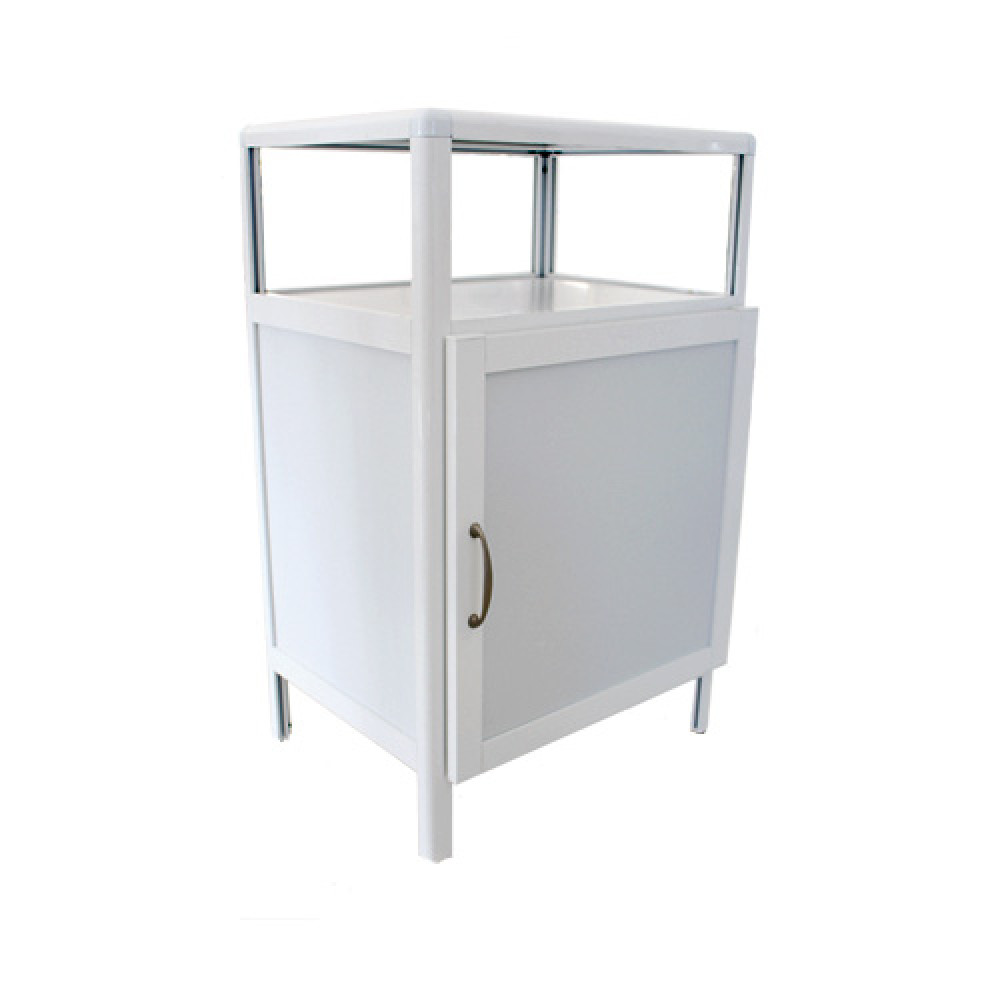
For example, the seller lists the Віола ТПЛ-1 bedside cabinet as 455 mm wide, 390 mm deep and 800 mm high. A 455 × 390 mm rectangle on the floor shows only the footprint of the cabinet body. Space is needed in front to open the door and access the lower compartment. Check this on the plan or with temporary floor markings, rather than assuming an arbitrary “universal” clearance.
2. Check the route from the entrance to the room
Record the narrowest points along the route: the entrance opening, lift doors, corridor turn and treatment-room doorway. Allow for handles, door closers and other protrusions that reduce the actual clear opening. At a turn, the item’s width is not the only consideration: there must also be room for its length as it turns. If the route includes stairs, record the landing dimensions too.
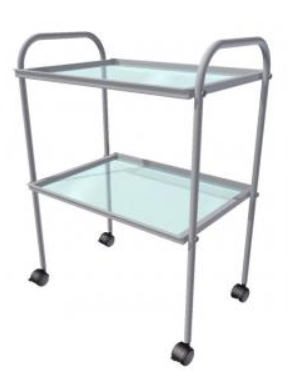
The АТОН СТ-І-2С-К-Р instrument trolley measures 620 × 415 × 815 mm, in the order length, width, height. According to the description, it cannot be dismantled, so do not plan to bring it inside on the assumption that the frame can be taken apart. Packaging dimensions are not provided in this information: ask for them separately, along with details of how the item is supplied. Checking access for the product itself does not confirm that the packaged item will fit through.
3. Choose legs or castors to suit how the furniture will be moved
First, establish whether the item will stay in one place or be moved regularly. The ТПЛ-1 is described as a stationary bedside cabinet on four legs. By contrast, the СТ-І-2С-К-Р is listed with four swivel castors, each 40 mm in diameter, two separate braking devices and two handles for moving it. These are different design solutions, not interchangeable names for the supports.
For a castor-equipped version, inspect the entire planned route: thresholds, flooring joints, mats and tight turns. Castor diameter alone does not establish whether a particular threshold can be crossed. Confirm the model’s suitability for your flooring and the permitted way to move it according to its instructions. Likewise, do not assume that any castors can be fitted to a stationary product yourself: a compatible configuration must be confirmed.
4. Distinguish the base product from optional equipment
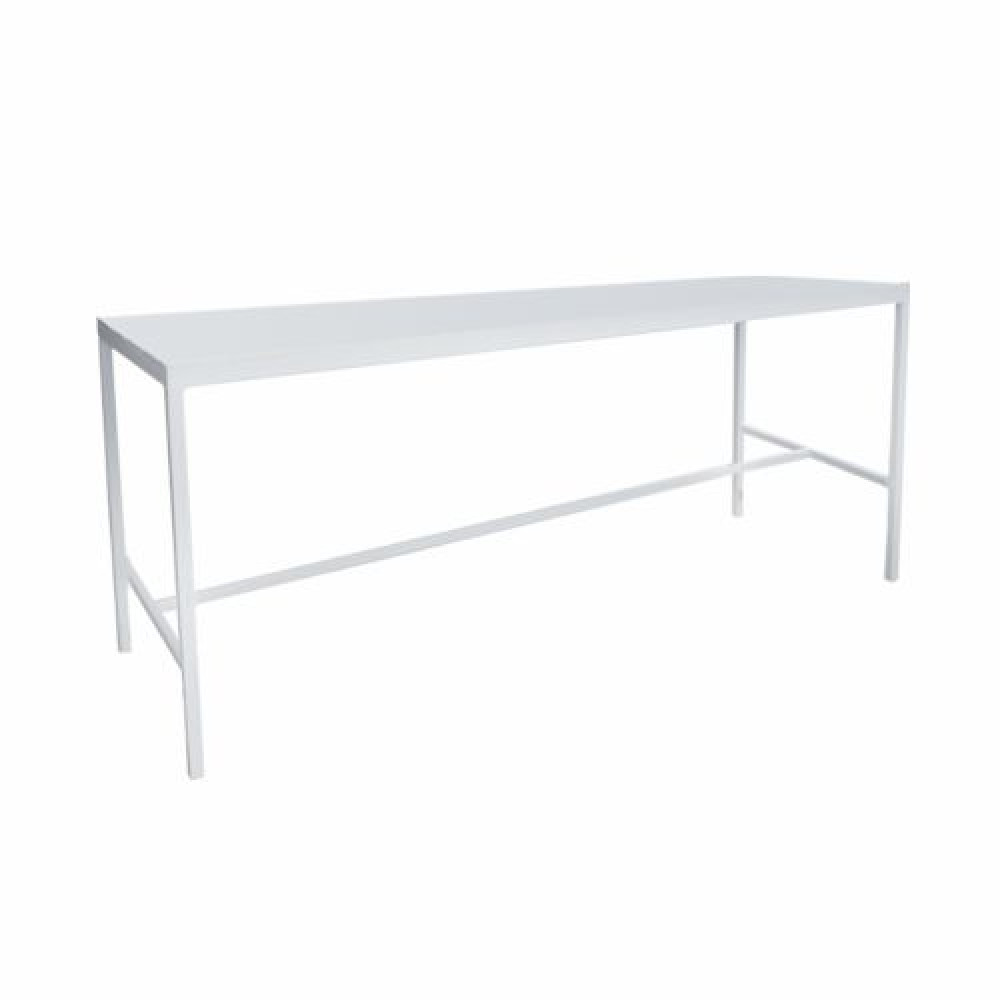
The listing for the Віола СДП-1 dressing table specifies dimensions of 1900 × 600 × 800 mm and a base stationary design on legs with plastic end caps. A 30 mm thick mattress and rubber-coated castors with a diameter of 100 mm are described as optional equipment to be agreed separately. Two castors with brakes are mentioned for the castor-equipped version.
The seller also states that fitting castors does not change the table’s height. Do not assume this applies to other models. Name each required option in your enquiry and ask for confirmation of the final dimensions of your specific configuration, what is included and the installation requirements. A product photo helps identify the model, but it does not replace an agreed list of what you will receive.
5. Check usable space and load limits separately
External dimensions do not describe all the available storage space. Different limits are specified for the ТПЛ-1: up to 5 kg on the internal shelf and up to 30 kg on the top. The source does not state the total permissible load for the bedside cabinet, so these figures should not be added together. For the СТ-І-2С-К-Р, separate limits of up to 7 kg per shelf and up to 14 kg for the entire unit are given.
List the items you intend to store, including their dimensions and weight. Compare this list with the usable shelf area or the internal dimensions of the compartments, not just the dimensions of the outer body. If these measurements are missing, include them in your enquiry. The listing used for the СДП-1 does not state its permissible load: this must be confirmed, not estimated from the appearance of the frame.
6. What to prepare for a specific enquiry
Put your findings into a short list. This will make it easier to get an answer about a specific configuration rather than a generic product name.
- The model name and code, the quantity required and the installation location marked on the plan.
- Measurements of the working space, door openings and turns; a description of thresholds and flooring.
- The required supports: legs or a confirmed castor-equipped version; brake requirements.
- A separate list of accessories and a request for the product’s dimensions with them fitted.
- Usable surface dimensions, permissible loads, packaging dimensions and assembly method, if this information is missing.
Three models from the article
Sources and scope
Technical information is taken from the seller Rehamed’s product listings, cross-checked against the catalogue materials on 22.10.2026. The manufacturers’ original documentation was not checked for this article. FORMED availability and the final configuration must be confirmed separately.